
Give passengers a reason to look out the window.
A scenic line has everything a good guide needs: a fixed route, hours of dwell time, and a carriage full of people with nothing to do but watch the landscape go past.
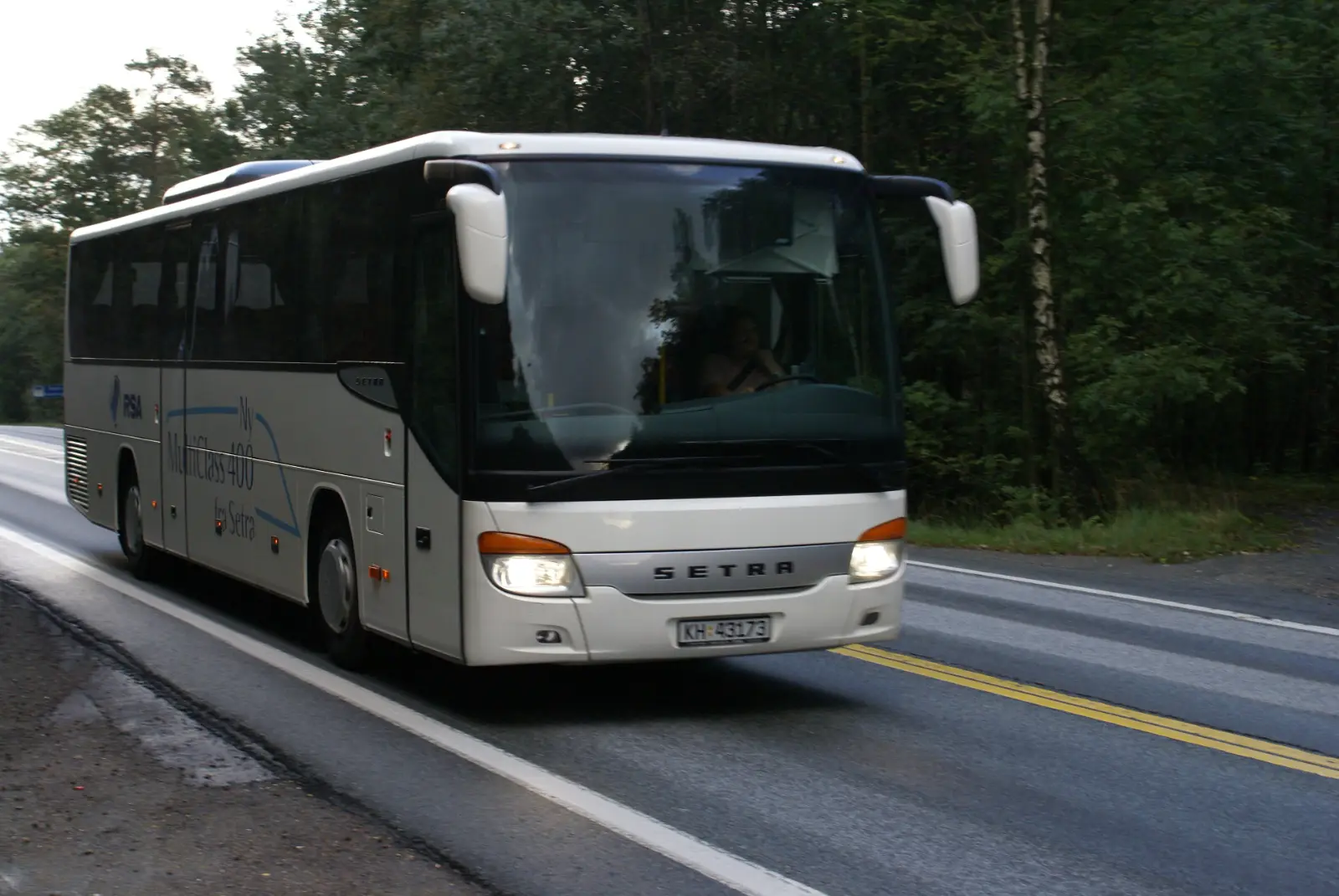
The journey itself is the attraction on a scenic route, and most operators leave it unnarrated. Position-triggered audio turns the window into the exhibit — arriving as the viaduct appears, not in a leaflet the passenger reads after getting off.
Three ways operators use it onboard.
Narrate the line as it passes
Each point triggers by position, so the story about the viaduct plays while the train is on it. No timing by hand, no announcements over the PA.
Different stories each way
Direction-aware points mean the northbound run and the southbound run are two distinct journeys built from one set of content.
Weave in the practical
What's at the next stop, how long the halt is, which side to sit on for the best view — delivered just before it matters.
Built for tunnels and timetables.
Survives the dead zones
Tunnels, cuttings and rural stretches kill streaming. Downloaded guides play straight through them.
Direction-aware routing
One point set, two journeys. The guide knows which way the service is running and tells the matching story.
A code at every seat
Passengers scan and listen on their own phone and headphones. Nothing to distribute or collect.
15 languages
Scenic services carry international passengers. Each one hears the line in their own language.
One line, one direction, to begin.
Choose the scenic stretch
The section passengers photograph. Eight to twelve points along it is a complete first guide.
Map the line
Place points along the track, set the trigger distance for line speed, and add narration in the languages you carry.
Add the return leg
Reuse the same points with direction-aware content, and the southbound journey becomes its own experience.
Hear what your line sounds like narrated.
Send us a timetable and a stretch of track, and we'll show you where the points would fall.